
jonah-and-ruth-in-bezhta
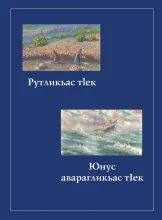
IBT has released a new edition in the Bezhta language containing the Old Testament books of Jonah and Ruth. Previous publications in Bezhta include the Gospel of Luke (1999), an excerpt from the Gospel of John 1:1–17 (2000), the book of Proverbs (2005), and "Gospel Parables" (2018).
The Bezhta people belong to the Tsezic ethnic constellation, whose languages form part of the Avar-Andic-Tsezic branch of the Nakh-Daghestanian language family. According to the 2021 population census of Russia, there are 6,890 Bezhtas in Russia...
four-old-testament-books-in-kabardian
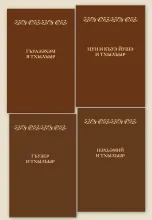
The Institute for Bible Translation (IBT) continues its work towards a complete translation of the Bible in the Kabardian language. As part of this project, digital editions of four Old Testament books have been released: Joshua, Judges, Ezra and Nehemiah.
Kabardian belongs to the Circassian language branch and is spoken by more than 515,000 people in Russia, primarily in Kabardino-Balkaria, Karachay-Cherkessia, Adyghea, and North Ossetia, as well as in the Krasnodar and Stavropol regions.
ruth-and-jonah-in-hinukh
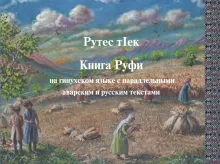
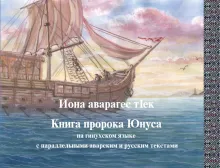
The Institute for Bible Translation has published the Old Testament books of Ruth and Jonah in the Hinukh language of Dagestan (southern Russia). These editions continue a series of translations produced via Oral Bible translation methodology. Audio versions of both books had previously been published in the Hinukh Bible app, "Hiriyav Ayatbe."
psalms-in-nogai
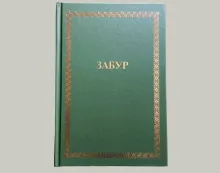
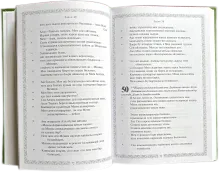
IBT has released a new edition, the Zabur (Psalter) in the Nogai language. Previously published by IBT in this language were the books of Ruth, Esther and Jonah (2005), the New Testament (2011), Genesis (2016), Gospel Parables (2016), Proverbs (2017), the Pentateuch (2023), and the Children’s Bible (2025).
The Nogai language belongs to the Kipchak group of Turkic languages. The Nogais are settled over a wide area in the North Caucasus and the Southern Volga region of Russia. According to the 2021 census, over 109,000 people speak Nogai...
genesis-in-khakas
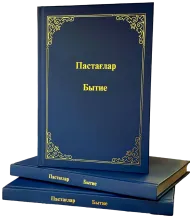
IBT has published the book of Genesis in the Khakas language of south Siberia. This first book of the Old Testament includes key biblical narratives, including the creation of the world, Adam and Eve, Noah’s Flood, the Patriarchs, Sodom and Gomorrah, and Joseph and his brothers. The 500-copy print run features the Russian Synodal translation side by side with the Khakas text and includes maps of the ancient Near East.
The Khakas (who call themselves the Tadhar) number about 61,400 according to the 2021 census of Russia and live primarily in the Republic of Khakassia, Krasnoyarsk Krai and the Republic of Tuva...
genesis-in-the-abaza-language
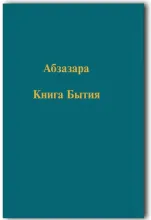
The Institute for Bible Translation (IBT) has released a new edition — the book of Genesis in the Abaza language of the NW Caucasus. The edition was published as a diglot with a parallel Russian text, as well as maps. The print run was 300 copies.
Genesis is the first book of the Old Testament and the opening book of the biblical canon. It presents key narratives of fundamental importance to all Abrahamic religions: the creation of the world, the story of Adam and Eve, the account of Noah and the great flood, the life of Abraham and his willingness to sacrifice his son, the stories of Sodom and Gomorrah, Joseph and his brothers, and others...
ruth-and-jonah-in-kaitag


IBT has published the books of Ruth and Jonah in the Kaitag language of Dagestan. These editions continue a series of translations produced via the oral translation method in Tsudakhar and Agul. Kaitag belongs to the Dargin group of the Nakh-Daghestanian language family. It has an estimated 33,000 to 40,000 speakers. The language is primarily used in the Kaitag, Derbent, and Kayakent districts of Dagestan, as well as in other regions of Russia and abroad (notably in Turkey)...
genesis-in-the-lak-language
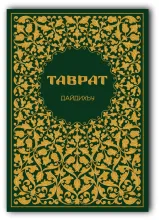
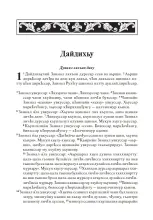
The Institute for Bible Translation (IBT) has released the first-ever translation of the book of Genesis in the Lak language. This is the first book of the Old Testament and the Pentateuch (Tawrat)and contains key narratives common to all three Abrahamic religions: the creation of the world, the story of Adam and Eve, the account of Noah and the great flood, the lives of the Patriarchs, the destruction of Sodom and Gomorrah, and others.
ruth-and-jonah-in-aghul
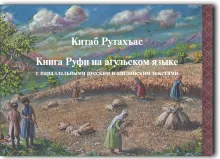
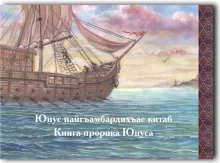
The Institute for Bible Translation (IBT) has published the Old Testament books of Ruth and Jonah in the Aghul language. These publications continue a series of new translations carried out using oral translation methodology, the key feature of which is that the entire process — from initial drafting to final checking and approval of the text — is carried out orally. Books translated using this method have already been published in the Tsudakhar language...
selections-daniel-karachay-language
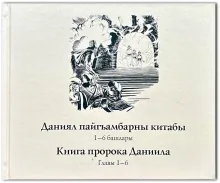
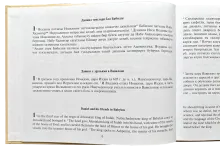
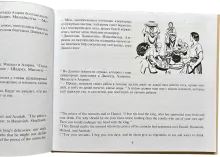
The Institute for Bible Translation (IBT) has released a new publication — the book of Daniel (chapters 1–6) in the Karachay language. The Karachay text is given with a parallel Russian and English translation on each page. This is the second Old Testament portion published as part of IBT's Bible translation project into Karachay, following the 2022 edition of the book of Jonah.